Why Two Quotes For The Same Hotel Dining Chair Can Differ By 30%
A lower quotation is almost never a lower price. In custom hospitality furniture, it is a different specification wearing the same photograph. For luxury hotel and resort owners, the 30% gap is not a margin problem — it is a visibility problem. The difference sits in wall thickness, foam density per part, fire-test scope, and what the number actually includes. None of these are visible in a showroom. All of them are visible on paper.
This is why Karam Spaces writes every hospitality quotation as four comparable lines before any total is discussed. A number you cannot take apart is a number you cannot defend to an ownership group, an interior designer, or a brand standard committee. The four lines below are the same framework our technical team uses on every custom hotel and resort furniture project.
The 30% Gap Is Rarely a Margin Problem
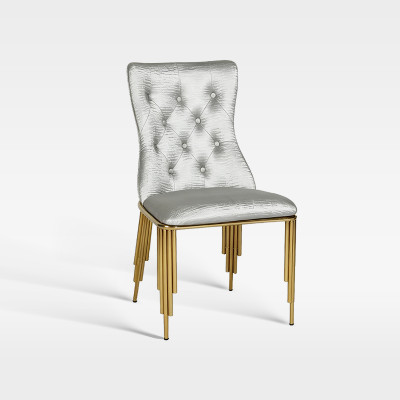
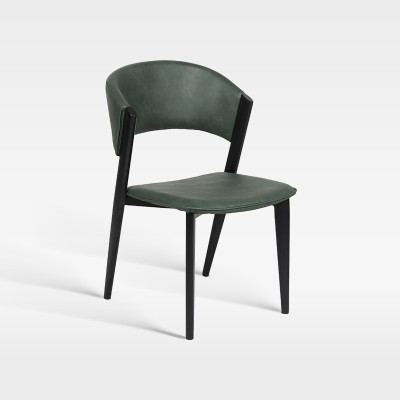
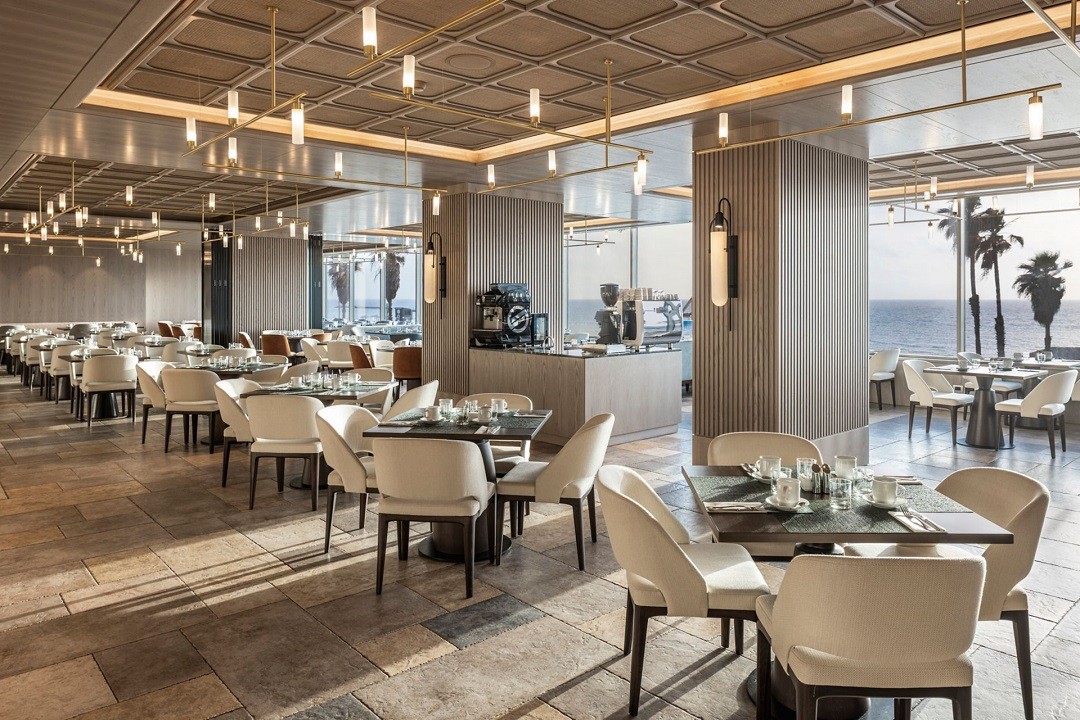
When two suppliers quote the same hotel dining chair and the numbers differ by 30%, the instinct is to assume one of them is overcharging. In custom hospitality furniture, that is rarely what happened. What usually happened is that the two quotes describe two different chairs that look identical in a photograph.
The gap lives in places a photo cannot show: the wall thickness of the frame, the density of the foam inside the seat, the composition of the cover fabric, whether it was fire-tested on its own or as part of a finished composite, and what the quoted figure actually covers. Every one of those variables is auditable — but only on paper.
Four Lines to Compare Before You Compare Totals
Line 1 — The Frame: Material, Wall Thickness, Joint Method
A chair frame in solid wood, engineered board, and metal tube are three different products even when the silhouette is identical. But material name alone is not a specification. What determines service life is wall thickness and joint execution.
In commercial metal frames, wall thickness is the variable that separates a chair that survives five years of daily dining service from one that loosens in eighteen months. In wood frames, mortise-and-tenon joinery with corner reinforcement consistently outlasts dowelled construction in restaurant duty — the gap is often the difference between a five-year chair and a ten-year chair. Joints are where hotel seating fails first, and they are the least visible line on any quotation.
For luxury properties, the frame line should name the species or alloy, the wall thickness, and the joint method. A frame line that says “strong metal frame” is not a line. It is a placeholder for an assumption.
Line 2 — The Foam: Density Per Part, Not Per Piece
“High-density foam” is an adjective, not a specification. What matters is density stated separately for the seat, the back, and the arm — because each carries a different load and compresses at a different rate over a season.
A single density figure for a whole chair usually means nobody calculated the load paths. Seat foam carries the guest’s full weight through years of compression; back foam carries lateral pressure; arm foam carries point loads. A quotation that states one number for all three has not specified anything — it has averaged a compromise. Ask for the number on the drawing, not in the brochure.
Commercial hospitality benchmarks confirm the gap. High-resilience foam for contract seating is commonly specified at 2.5 lb/ft³ (approximately 40 kg/m³) or higher to survive long-term durability testing. A supplier quoting a lower-density foam inside the same visual chair has funded part of the 30% difference in that one line. For hotel owners, foam density is not a comfort preference — it is an operations number. It determines how many chairs need reupholstering before the first refurbishment cycle.
Line 3 — The Cover: Composition, Abrasion, and Fire-Test Scope
Fabric is where quotation gaps hide most comfortably. Two covers can photograph identically and differ entirely in composition, abrasion performance, and fire behaviour.
For luxury hotel dining chair and restaurant seating, abrasion performance is a contract-grade requirement, not a brochure claim. Restaurant seating guidelines call for a minimum of 60,000 Martindale rubs, with premium and long-lifecycle projects specifying 80,000 or higher. A cover below that threshold will pill or split under commercial turnover long before the frame or foam has reached the end of its service life.
The fire-test scope is the line most buyers never read carefully enough. Fire tests on upholstered furniture are composite tests: the specimen is fabric over filling material, often with an interliner between them. A fabric certificate that reports a pass on one foam construction does not demonstrate a pass on a different foam. Changing the foam to save cost invalidates the documentation even when the fabric is unchanged. A supplier who cannot state whether the test was performed on the fabric alone or on the finished composite has not told you what was tested.
Line 4 — Scope of Supply: What the Number Actually Covers
The fourth line is the one most buyers never compare. Does the quotation include the shop drawing set? Physical samples and mock-up approval? Fire testing and documentation? Export-grade packing? Installation drawings? A quote that excludes these lines will always look cheaper and will always cost more after the purchase order is signed.
Hotel FF&E procurement is not a product transaction. It is a sequence: specification review, shop drawings, material confirmation, sample production, approval, manufacturing, quality control, packaging, and shipping coordination. A supplier who prices only the physical chair has priced only one stage of that sequence. The buyer discovers the rest as change orders, expediting fees, and schedule slippage.
Comparing scope before comparing totals resolves most quotation confusion. The question is not which total is lower, but which total describes the same package of work.
What Is Legitimately Cheaper
Not every lower price is a hidden compromise. Volume consolidates raw material purchasing. Standard finishes eliminate custom setup time. An existing tooling platform removes amortisation from the unit cost. A consolidated shipment reduces freight per piece. These are honest cost drivers, and a hotel furniture manufacturer operating honestly will name them and put them in writing.
The distinction is not cheaper versus more expensive. The distinction is explainable versus ambiguous. A supplier who can state in writing exactly which variable changed has given you a comparable quote. A supplier who cannot has given you a different chair.
How Karam Spaces Structures a Comparable Quotation
As a hotel furniture solution provider, Karam Spaces states frame, foam, cover, and scope as four separate written lines before any total is discussed. Our technical team writes the specification so that a buyer can take our number to another supplier and compare line by line — and so that our own number can be audited against the same standard. We would rather lose on price than win on ambiguity.
Luxury hotel and resort projects do not fail because the furniture looked wrong on day one. They fail because the specification was not written tightly enough to survive procurement, inspection, installation, and the first three years of guest use.

Frequently Asked Questions
Is a cheaper hotel furniture quote always lower quality?
No. Volume, standard finishes, and consolidated shipping all reduce cost legitimately. What matters is whether the supplier can state in writing what changed. If they cannot explain the difference, assume the specification changed, not the margin.
What should I ask a supplier before comparing two quotes?
Four things: frame material and wall thickness, foam density per part, cover composition and fire-test scope, and what the price includes. Any supplier who can write these down is comparing fairly; one who cannot is not comparing at all.
Can I see this comparison in person?
Yes. Karam Spaces exhibits at the 140th Canton Fair in Guangzhou, Booth 9.3L28, where the frame, foam, fabric, and scope of supply are laid out side by side for direct comparison.
Send Us Your Quotation for a Line-by-Line Review
A quotation you cannot take apart is not a price — it is a guess. Send us your dining chair schedule, your brand standard, or your current quotation, and our team will return a written comparison against the four lines above, with the specification gaps identified before the purchase order — not after the container arrives.
Reach our hospitality furniture team directly through karamspaces.com for project inquiries, specification reviews, and quotation comparisons.
Karam Spaces — Custom Hotel & Resort Furniture · Indoor and Outdoor Seating Systems
Founded by Lisa Liang. Meet the team at the Canton Fair, Guangzhou, Booth 9.3L28, where frame, foam, fabric, and scope of supply are laid out side by side for direct comparison.