How To Balance Cost And Durability In Hotel Furniture?
In my years advising hotel owners, procurement teams and interior designers on hotel FF&E procurement (Furniture, Fixtures & Equipment), I constantly encounter the same dilemma: the pressure to control upfront hotel furniture cost versus the need for durable hotel furniture that can withstand the daily rigors of hospitality. After all, no hotel owner wants to face the expense and disruption of replacing worn furniture every two to three years.
The furniture in a guest room is not just a functional necessity; it is a critical asset that shapes the guest's perception of value and directly impacts your RevPAR (Revenue Per Available Room). A piece that feels cheap or neglected diminishes guest trust; a high-quality bed system affects sleep quality and return stays. Yet, you also can't ignore the reality that FF&E accounts for a significant portion of your total project budget. So, how to balance cost and durability in hotel furniture without sacrificing design? Here's the strategic framework I use when advising clients from the world's leading hotel groups, including Hilton and InterContinental.
Shift from Purchase Price to Total Cost of Ownership (TCO)
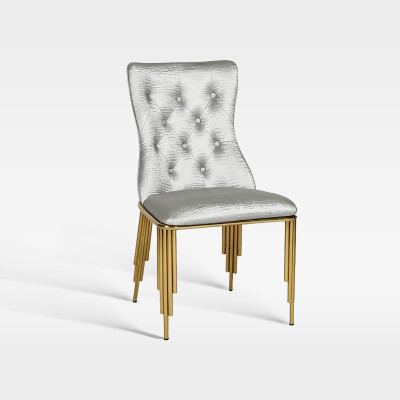
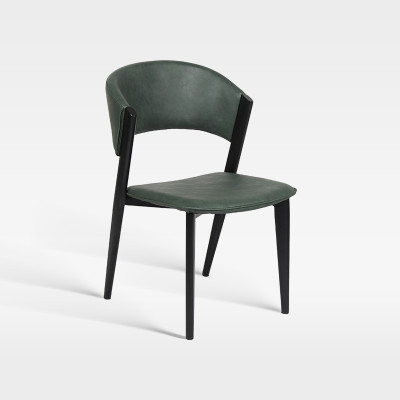
The biggest mistake I see in luxury hotel furniture procurement is the focus on the sticker price rather than the total lifecycle cost. A $150 guestroom chair that needs replacing every three years is actually more expensive than a $220 chair engineered to last ten years.
Total Cost of Ownership shifts the procurement focus from the initial purchase price to the asset's complete lifecycle cost. A guestroom lounge chair acquired for $150 with a three-year lifespan ultimately costs more than a $220 chair engineered with a reinforced hardwood frame to withstand heavy commercial use for seven to ten years.
Here is how to calculate TCO for your hospitality furniture sourcing strategy:
TCO = Initial Price + (Annual Maintenance Cost × Service Life) + (Downtime Cost × Room Out-of-Service Days) + Replacement Cost
Industry data indicates that aiming for a maximum annualized replacement rate of 3% to 5% for casegoods is a smart benchmark for ensuring long-term profitability. When you evaluate furniture through this lens, higher-grade materials begin to look like investments rather than expenses. Shifting from a purchase-price mindset to a total-cost mindset allows you to define value as durability, maintenance ease, and guest impact, rather than just the bottom line on the invoice.
Material Engineering: Where Real Cost and Durability Decisions Happen
In commercial hotel furniture manufacturing, the substrate—the core material hidden beneath the surface—is what actually determines longevity. The global hospitality furniture market is projected to expand from USD 4.72 Billion in 2025 to USD 6.01 Billion by 2031, driven by demand for sustainable materials, personalized design trends, and increasing hospitality projects. Here's what the data shows about different material options for hotel furniture cost saving without compromising on durability.
Engineered Plywood vs. Solid Wood
While solid wood is often perceived as premium, it is highly susceptible to expansion and contraction with humidity changes—a common issue in hotel rooms where HVAC systems fluctuate constantly. In contrast, engineered plywood offers superior dimensional stability, resists warping, and with high-pressure laminate (HPL) finishes can outperform solid wood in climate-variable guest rooms. For built-in casegoods such as wardrobes and vanities, plywood and MDF (Medium Density Fiberboard) with heavy-duty edge banding provide cost-efficient stability and are ideal for mass production in custom hotel furniture manufacturing.
High-Pressure Laminate (HPL) and Compact Laminate
For horizontal surfaces like desktops and nightstands, HPL or solid phenolic laminate is non-negotiable for commercial durability. These materials provide exceptional resistance to scratches, alcohol spills, moisture, and the bleach-based cleaning solutions used in daily housekeeping. According to a recent performance guide, choosing HPL over wood veneers can reduce material costs while offering superior resistance to the common hotel hazards of alcohol and cigarette burns.
Metal Frames and Powder Coating
Powder-coated steel or anodized aluminum frames for seating and table bases resist chipping and corrosion far better than lower-grade metals. For coastal or outdoor areas, anodized aluminum is essential. At Karam Spaces, we apply these standards to every frame, from lobby seating to poolside lounge chairs, ensuring they withstand both guest use and environmental exposure.
Contract-Grade Upholstery Textiles
This is an area where cutting costs can backfire dramatically. Contract-grade fabrics certified with high abrasion resistance—typically a Wyzenbeek double rub count of 50,000 or higher—are industry standard for a reason. At Karam Spaces, we select fabrics that not only meet these durability benchmarks but also incorporate practical characteristics like fire resistance, waterproofing, and easy cleaning, making high-end hotel spaces both stylish and practical. We also prioritize high-resiliency foam cushioning that resists sagging.
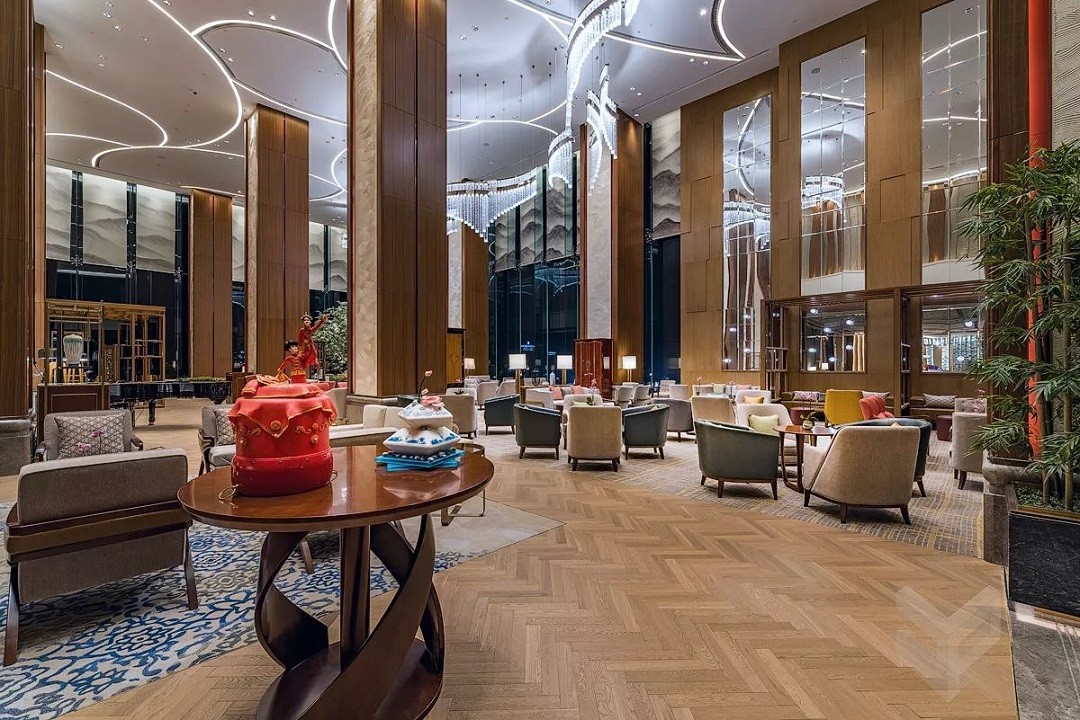
Smart Design and Manufacturing Strategies for Hotel Furniture
Material selection is only part of the equation. How furniture is designed and manufactured also significantly impacts both cost and durability in hotel furniture. Here are a few value-engineering tactics that deliver real ROI.
Standardize Dimensions Where Possible
Customization often drives high costs due to material offcuts and specialized tooling. By aligning furniture dimensions with standard board sizes, you minimize waste and labor time. Designing with modular components also allows factories to optimize production flow, reducing per-unit costs while maintaining quality. In 2026, modular furniture systems enabling quick reconfiguration for events are becoming industry standard, allowing hotels to adapt seating capacity in minutes while saving on labor and storage costs.
Opt for Hybrid Solutions
A 2026 industry report highlights that hybrid solutions—combining standardized frames with custom finishes—are emerging as the most profitable and efficient procurement model. This approach gives you brand-defining aesthetics at a fraction of the cost of fully bespoke hotel furniture manufacturing.
Prioritize Structural Joinery
For wooden furniture, prioritize mortise and tenon joints over simpler fasteners. High-use items such as chairs should undergo pressure fatigue testing. In our own hospitality furniture production process at Karam Spaces, we adhere to these commercial-grade construction standards, ensuring every piece—from the guestroom bed to the lobby sofa—is built to last.
Knock-Down (KD) Design for Logistics
Designing furniture for flat-pack KD assembly can reduce container shipping volume by up to 50%. The key is to use robust cam-lock systems and metal-to-metal connections that maintain structural stability over time. This is a simple yet powerful strategy for controlling logistics costs without compromising on-site assembly quality.
Prioritize Your Investment: Where to Spend for Maximum Impact
When budgets are tight, not every furniture category requires the same level of investment. Here is my suggested priority framework based on revenue impact and guest touchpoints.
| Priority | Area | Investment Strategy |
|---|---|---|
| Highest | Guestroom Beds & Mattresses | Spend well. Sleep quality directly drives guest satisfaction, return stays, and RevPAR. |
| High | High-Touch Surfaces & Seating | Spend strategically. Desktops, nightstands, and upholstered seating require durable HPL and contract-grade fabrics. |
| Medium | Lobby Statement Pieces | Spend on impact. Signature pieces that photograph well create lasting brand impressions. |
| Lower | Decorative Accents & Art | Economize here. These have less daily wear and lower replacement cycle risk. |
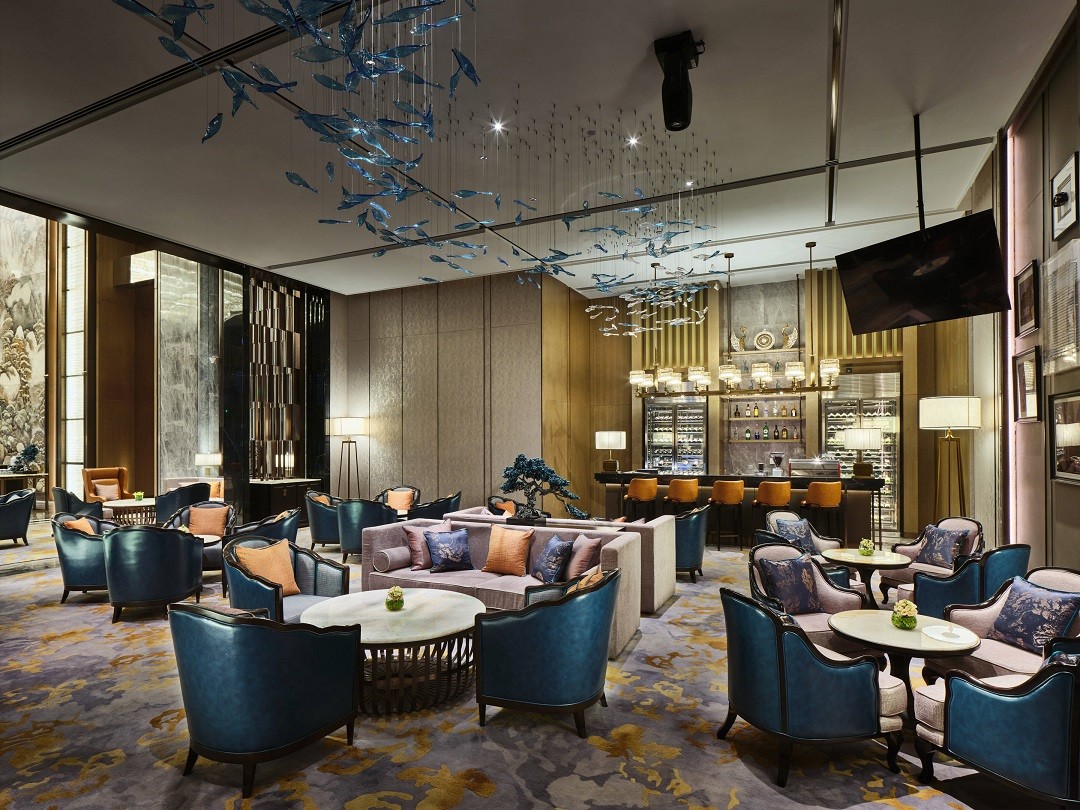
At Karam Spaces, we take this a step further by focusing on full-scenario hotel furniture solutions—from the hotel lobby to the banquet area, from the outdoor leisure zone to the pool surrounds. We help clients allocate their budget precisely where it will generate the highest return. Our experience in working with globally renowned hotel groups, including Hilton and InterContinental, has taught us that a targeted investment strategy is the most effective way to achieve luxury aesthetics without inflating costs across the board.
Compliance and Fire Safety: Non-Negotiable Investments
Before finalizing any specification, it is critical to ensure your furniture meets regional safety standards. In the US, filling foam must meet California Technical Bulletin 117 (CA117); in the UK and Europe, British Standard BS5852 applies. Soft furnishings such as sofas, mattresses, and curtains must pass these tests.
At Karam Spaces, all our hotel seating solutions and furniture products conform to ergonomic standards, and our fabrics are selected with fire resistance as a baseline requirement. This is not an area for cost-cutting; it is a legal and liability requirement that smart buyers prioritize from the start.
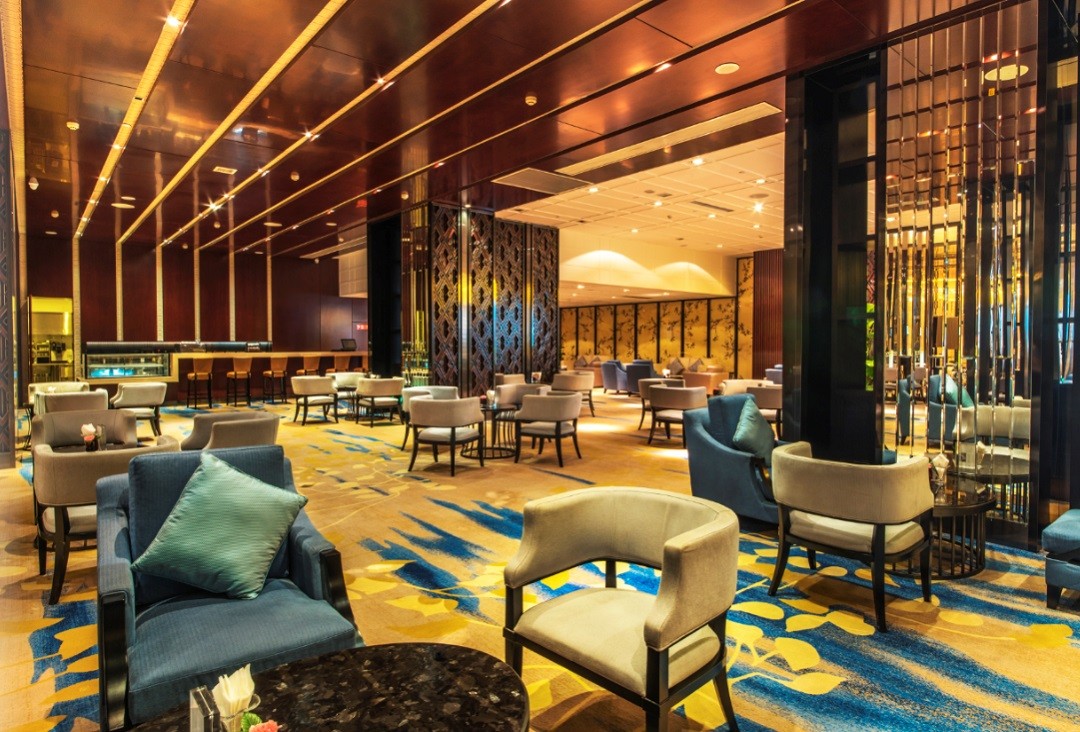
2026 Trends Shaping Cost and Durability in Hospitality Furniture
In 2026, the biggest shift in hospitality FF&E is that the market is rewarding teams who treat FF&E as a lifecycle decision—not just a finish selection. Key trends driving luxury hotel furniture trends 2026 include sustainable material innovation, modular and adaptable furniture, curved organic forms, and biometric design integration.
Additionally, the market faces tightening profit margins, which threatens to delay refurbishment initiatives. As a result, many hospitality businesses are compelled to extend the lifespan of existing assets rather than committing to immediate replacement cycles. This makes durable, high-quality commercial hotel furniture more valuable than ever.
The Karam Spaces Difference: A True Partner in Balance
Balancing cost and durability in hotel furniture is not a zero-sum game. It requires a hotel furniture manufacturer who understands both the commercial realities of hospitality procurement and the design aspirations of world-class hotels. That is exactly what we deliver at Karam Spaces.
Rooted in a brand philosophy of "passion and generosity," we focus exclusively on high-end commercial public spaces for hotels and resorts. Our professional seating systems combine Eastern humanistic care with international functional aesthetics. We provide one-stop hotel furniture solutions—from design and material selection to manufacturing and logistics—that empower the entire procurement process. This integrated model eliminates middleman markups, reduces miscommunication, and ensures that the design on paper translates perfectly to the installed piece.
Ready to balance your hotel's FF&E budget with lasting quality?
Contact Karam Spaces today to request a consultation or a custom quote for your next hotel or resort project. Let's create spaces that are both stylish and built for the long term.
Contact Us →